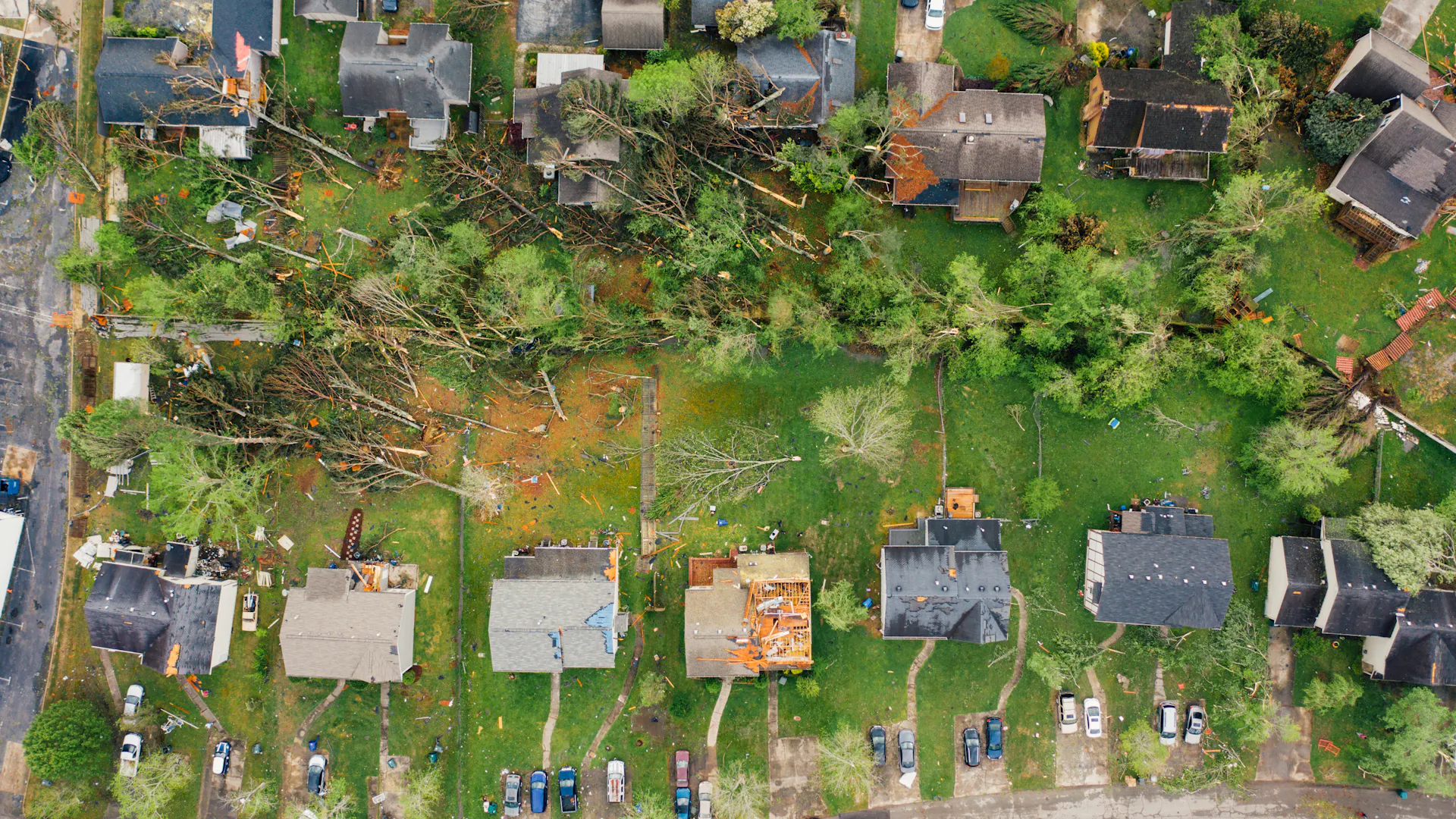
What a Storm and Wind Damage Assessment Actually Covers
Most people think this means someone walks around your house and points at broken stuff. That's not it. A structural investigation is what this actually is. A professional building consultant looks at what moved, what cracked, what shifted, and what's now carrying load differently than it was designed to.
Here's what gets examined during a typical assessment in Chesterfield:
- Roof framing and sheathing connections — uplift from high winds can loosen rafter ties and ridge boards without any visible damage from the ground
- Exterior wall racking and displacement — even a quarter inch of shift at the top plate changes how your walls transfer load to the foundation
- Foundation movement or new cracking — saturated soil from storm flooding puts lateral pressure on basement walls, especially in the clay-heavy soils around Wildwood and western Chesterfield
- Soffit, fascia, and gable end integrity — these are the first things wind peels back, and once they go, water follows fast
The team documents everything with measurements and photos. Not just "there's a crack here." More like "this diagonal crack at the southeast corner measures 3/16 inch and indicates differential settlement accelerated by recent storm loading." That level of detail matters when your insurance adjuster shows up.
The damage homeowners notice isn't always the real problem. You see a water stain on the ceiling, but the actual issue is a truss connection that failed two rafters over. The stain is just where the water ended up. A proper assessment traces back from symptoms to the structural cause.
According to the Insurance Institute for Business and Home Safety, wind speeds as low as 50 mph can compromise residential roof-to-wall connections. Chesterfield sees storms hit that threshold multiple times a year.
The assessment also identifies what's still sound. That matters just as much. You don't want a contractor tearing out framing that's perfectly fine, you want repairs scoped to exactly what failed. The report draws that line clearly so your repair budget goes where it should.
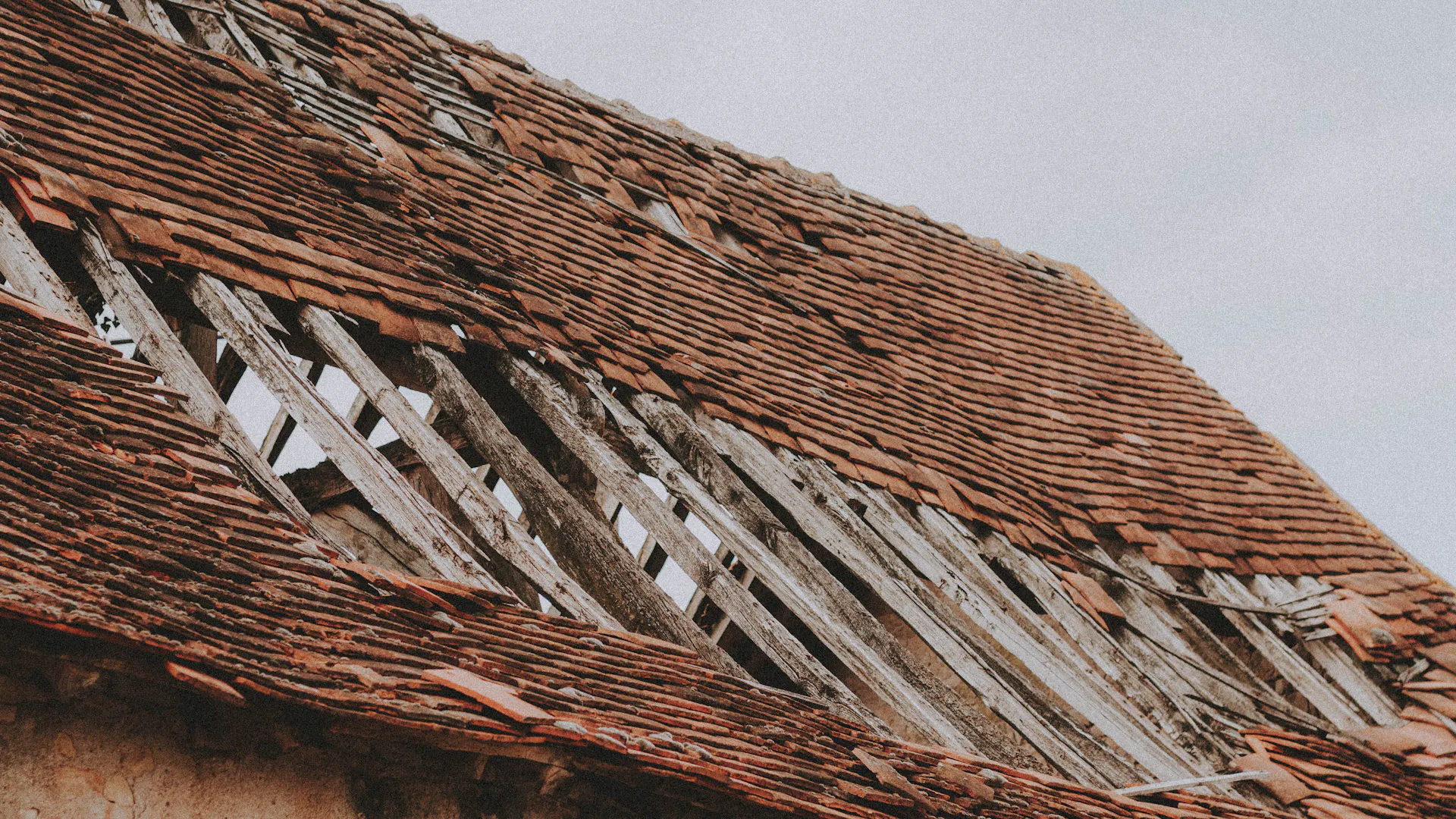
Why Invisible Wind Damage Is the Costliest Kind
Most people picture storm damage as a tree through a roof or siding ripped clean off. That's the dramatic stuff. But the damage that actually costs Chesterfield homeowners the most money? You can't see it from the ground.
Wind doesn't have to tear something apart to cause real problems. A 60 mph gust can lift roof sheathing just enough to break the nail seal, then set it back down. Everything looks fine from the driveway. The shingles are still there. No visible gaps. But underneath, the connection between your roof deck and your trusses has been compromised. Water finds that gap within a few storms, and six months later you've got rot in places you didn't know existed.
The team sees this pattern constantly in neighborhoods like Wildhorse and Clarkson Valley. A homeowner calls about a ceiling stain or a musty smell in the attic, assuming it's a plumbing issue. The real cause was a windstorm from the previous spring that nobody thought twice about. According to the Insurance Institute for Business and Home Safety, wind uplift on roof components can begin at speeds well below what most people consider "severe." The threshold for structural impact is lower than most homeowners expect.
Here's what invisible wind damage typically looks like during a structural wind inspection:
- Shifted or loosened roof decking with no visible shingle loss
- Racked wall framing where lateral loads pushed the structure out of square
- Cracked connections at load-bearing points hidden behind drywall
- Fascia board separation that opens a path for moisture intrusion
None of that shows up in a quick visual check. And your insurance adjuster isn't climbing into the attic with a flashlight and a framing square. A licensed structural engineer documents what's actually happening behind the surfaces.
Waiting doesn't save money here. It multiplies it. A connection issue that costs a few hundred dollars to repair right after a storm can turn into a $15,000 structural fix once moisture and gravity have had a full season to work.
Get Your Assessment Before the Insurance Adjuster Arrives
Here's something most Chesterfield homeowners don't realize until it's too late. The insurance adjuster works for the insurance company. Not for you.
That's not a knock on adjusters. They're doing their job. But their job is to assess damage from the carrier's perspective, and they're often looking at dozens of claims in a single week after a big storm rolls through. They might spend 20 minutes on your roof. Maybe less. If structural damage isn't obvious from a quick visual pass, it won't make it into the report.
The team sees this play out the same way almost every time. A homeowner in Wildhorse or Clarkson Valley files a claim after a windstorm. The adjuster comes out, notes some missing shingles, approves a partial roof repair, and closes the file. Six months later that homeowner notices a door frame pulling away from the wall or a crack running along the foundation. The real damage was never documented.
Getting an independent engineering report before the adjuster visit changes the whole dynamic. You walk into that conversation with a licensed engineer's findings that spell out exactly what happened to your home's structure. According to the Insurance Information Institute, thorough documentation is one of the biggest factors in getting claims resolved fairly. Your report becomes the baseline, not the adjuster's quick walkthrough.
What the team's assessment gives you that an adjuster's visit won't:
- Structural load path analysis showing how wind forces affected framing, connections, and bearing walls
- Documented measurements of deflection, shifting, or separation at critical points
- Photo evidence tied to specific structural concerns with engineering context
- A stamped report that carries weight in disputes or appeals
If your claim gets denied or underpaid, that engineering report is the single most useful document your public adjuster or attorney can have. It's not an opinion. It's a professional structural finding with a PE stamp behind it.
Give us a call before your adjuster date.
How Chesterfield's Building Stock Shapes Your Risk Profile
Most homes in Chesterfield were built between the mid-1980s and early 2000s. That matters more than people realize when it comes to evaluating wind and storm damage.
Homes from that era typically have asphalt shingle roofs with 15- to 25-year lifespans. Many of those original roofs have been replaced once, maybe twice. But the framing underneath, the roof decking, the fastener patterns, those don't change with a reshingle. That's where hidden damage lives after a serious wind event. The team sees this constantly in neighborhoods like Clarkson Valley and Wildhorse Creek. A roof looks fine from the street, but the decking has pulled away from the trusses at the gable end.
Here's what shapes your specific risk based on the era and style of your home:
- Hip roofs vs. gable roofs. Gable-end walls are far more vulnerable to wind uplift. Chesterfield has a mix of both, but the larger colonial-style homes tend toward steep gables that catch wind like a sail.
- Walkout basements on sloped lots. Exposed foundation walls on hillside lots take direct hits from wind-driven debris. Cracks that were cosmetic before the storm may now be structural.
- Vinyl siding over older sheathing. Some renovated homes have vinyl over original OSB or even fiberboard. Wind gets underneath the siding and peels it back, exposing sheathing that was never rated for direct weather exposure.
- Attached multi-car garages. Wide garage door openings are weak points. One door failure during high winds can pressurize the entire structure from the inside out.
The team runs into garage-related damage on almost every post-storm inspection in Chesterfield. Often the homeowner didn't even notice the header above the door shifted until we pointed it out.
Age alone doesn't make a home fragile. But knowing what was standard practice when your home was built tells us exactly where to look first. A 1990s truss system was fastened differently than one built to current code. That's not a guess, it's in the construction documents. When those documents don't exist, the team creates as-built drawings so the full picture is clear before any repair decisions get made.
When to Call Same Day vs. Schedule Within the Week
Not every storm situation is an emergency. But some are, and knowing the difference saves you money and stress.
Call the same day if you see any of these:
- A tree or large branch has hit your roof and is still resting on the structure
- You notice cracks in your foundation walls that weren't there before the storm
- Interior doors won't close, or you see new gaps between walls and ceilings
- Part of your roof deck is exposed or sagging visibly from the ground
These signs point to possible structural movement. The team sees this a lot in Chesterfield after straight-line wind events, especially on homes with hip roofs that took a direct gust. A sagging roofline doesn't always mean collapse is coming, but it means something shifted that shouldn't have. That's worth a same-day call.
If your damage looks more like missing shingles, a downed fence, or some fascia that pulled away from the eave, you've probably got a few days. Schedule within the week. The structure itself is likely fine, but you still want a full structural review before you file anything with insurance or hire a roofer. The homeowner who waits too long ends up with water intrusion that turns a simple repair into a bigger project.
The Gray Area
Here's where it gets tricky. You walk outside after a storm in Wildhorse or Clarkson Valley and see a crack running along your brick veneer. Is that cosmetic or structural? Hard to tell from a photo. Brick veneer cracks can mean nothing, but they can also mean the wall behind it took lateral load it wasn't designed for. That's a "schedule this week" situation at minimum.
If your home has a walkout basement with large window openings on the downhill side, wind pressure can stress those headers in ways that don't show damage right away. The damage assessment team checks those areas specifically because contractors almost never look there. A licensed structural engineer knows what loads those openings were designed for and can tell you fast whether the framing held or shifted.
When in doubt, call sooner. A quick conversation usually sorts out whether you need someone out today or later this week.
Frequently Asked Questions
How soon after a storm should I get a structural assessment done in Chesterfield?
You should get your assessment done before the insurance adjuster visits your home. In Chesterfield, adjusters often arrive within days of a big storm and may spend only 20 minutes on your roof. If structural damage is not obvious from a quick visual check, it will not make it into their report. Getting an independent engineering report first gives you documented findings to back up your claim. Do not wait weeks — hidden damage gets worse with every rain cycle.
What does a storm damage assessment actually look for that I cannot see myself?
A structural assessment finds damage that is invisible from your driveway or attic hatch. A 60 mph gust can lift roof sheathing just enough to break the nail seal, then set it back down with no visible gaps. The team checks rafter tie connections, wall racking, truss shifts, and load-bearing points hidden behind drywall. You might see a ceiling stain, but the real cause could be a failed truss connection two rafters over. The stain is just where the water ended up.
Does Chesterfield's clay-heavy soil make storm damage worse for my foundation?
Yes, it can. The clay-heavy soils around Wildwood and western Chesterfield absorb a lot of water during storm flooding. That saturated soil puts lateral pressure on basement walls. A storm that seems minor above ground can accelerate differential settlement below it. A structural assessment checks for new foundation cracking and wall displacement caused by that soil pressure. Catching this early keeps a manageable repair from turning into a major structural fix.
What happens when the engineer arrives for my storm damage inspection?
The engineer does a full walkthrough of your home's structure, not just a visual scan from the ground. They check roof framing connections, exterior wall alignment, foundation walls, soffit and gable end integrity, and any areas where load transfer may have shifted. Every finding gets documented with measurements and photos. You get a report that says something specific, like a diagonal crack at the southeast corner measuring 3/16 inch, not just general notes. That detail is what matters when your adjuster reviews the claim.
Will the assessment tell me what does NOT need to be repaired?
Yes, and that part is just as useful as finding damage. A proper assessment draws a clear line between what failed and what is still structurally sound. You do not want a contractor tearing out framing that is perfectly fine. The report scopes repairs to exactly what the storm affected, so your repair budget goes where it should. In Chesterfield, where storms can be significant but not always catastrophic, knowing what held up is real money saved.
Can I use the engineering report if my insurance claim gets disputed?
Yes, and it is one of the strongest tools you have. According to the Insurance Information Institute, thorough documentation is a key factor in getting claims resolved fairly. An independent engineering report gives you licensed findings with structural load path analysis, documented measurements, and photo evidence tied to specific concerns. That report becomes your baseline, not the adjuster's quick walkthrough. Homeowners in Chesterfield who have this documentation before the adjuster arrives are in a much stronger position.